
The PM Vishwakarma Yojana supports traditional artisans and craftspeople who work with their hands and tools in 18 trades, such as carpenters, blacksmiths, goldsmiths, potters, tailors, barbers and fishing net makers. Registered artisans get a PM Vishwakarma certificate and ID card, skill training with a stipend of ₹500 per day, a toolkit incentive of up to ₹15,000, collateral-free loans of up to ₹3 lakh at 5% concessional interest, and support for digital payments and marketing.
This guide explains the 18 trades, eligibility, benefits, how to register through a CSC and how the loan is released in two tranches.

PM Vishwakarma Yojana: Benefits at a Glance
| Recognition | PM Vishwakarma certificate and ID card |
| Skill training | Basic (5–7 days) and advanced (15 days or more) training with ₹500 per day stipend |
| Toolkit incentive | Up to ₹15,000 as e-voucher |
| Credit support | ₹1 lakh (first tranche) + ₹2 lakh (second tranche), collateral-free, at 5% interest |
| Digital incentive | ₹1 per digital transaction, up to 100 transactions a month |
| Marketing support | Branding, quality certification, e-commerce and trade fairs |
| Portal | pmvishwakarma.gov.in |
The 18 Trades Covered
- Carpenter (Suthar/Badhai)
- Boat maker
- Armourer
- Blacksmith (Lohar)
- Hammer and tool kit maker
- Locksmith
- Goldsmith (Sunar)
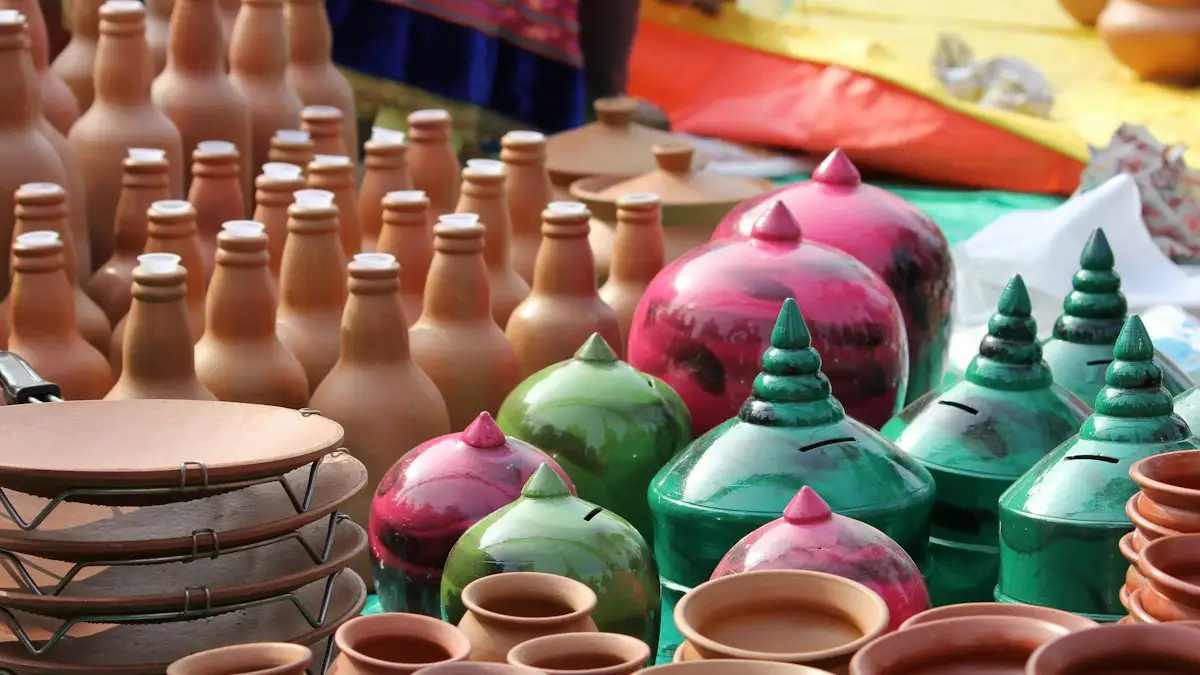
- Potter (Kumhaar)
- Sculptor, stone carver, stone breaker
- Cobbler / shoesmith / footwear artisan
- Mason (Rajmistri)
- Basket, mat and broom maker / coir weaver
- Doll and toy maker (traditional)
- Barber (Naai)
- Garland maker (Malakaar)
- Washerman (Dhobi)
- Tailor (Darzi)
- Fishing net maker

Eligibility for PM Vishwakarma Yojana
- An artisan or craftsperson working with hands and tools in one of the 18 trades, self-employed in the unorganised sector.
- Minimum age of 18 years on the date of registration.
- Should be engaged in the trade on the date of registration.
- Should not have taken loans under similar credit schemes like PMEGP, PM SVANidhi or Mudra in the past five years, unless fully repaid (as per scheme rules).
- Only one member of a family can register. A family means husband, wife and unmarried children.
- Persons in government service and their family members are not eligible.

How to Register
- Visit your nearest Common Service Centre (CSC) or Akshaya centre with Aadhaar, mobile number and bank details.
- The CSC operator completes biometric Aadhaar authentication and fills the registration on the portal.
- Your application goes for verification at the gram panchayat or urban local body level.
- It is then checked by the district implementation committee and approved by the screening committee.
- After approval, you can download your PM Vishwakarma certificate and ID card.
How the Loan Works
Credit under the PM Vishwakarma Yojana is released in two tranches:
| Tranche | Amount | Repayment period | Condition |
|---|---|---|---|
| First | Up to ₹1 lakh | 18 months | After completing basic skill training |
| Second | Up to ₹2 lakh | 30 months | After repaying the first tranche, using digital transactions and/or completing advanced training |
The interest charged to the artisan is a concessional 5%, with the government providing interest subvention to lenders. The loan is collateral-free and covered by a credit guarantee. Use it for buying better tools, raw materials or setting up a small workshop.
Skill Training and Stipend
After registration, artisans attend basic skill training of about 5 to 7 days. The training covers modern tools, design, quality, digital payments, marketing and credit. A stipend of ₹500 per day is paid during training. Interested artisans can later take advanced training of 15 days or more, also with a stipend, to upgrade their skills further.
Toolkit Incentive
At the start of basic training, artisans receive a toolkit incentive of up to ₹15,000 in the form of e-vouchers. These vouchers can be used to buy modern tools relevant to the trade from designated sellers. For example, a carpenter can buy power tools, a tailor a better sewing machine, and a barber professional equipment.
Digital Transaction Incentive
To encourage digital payments, the PM Vishwakarma Yojana gives ₹1 for every eligible digital transaction (such as UPI payments received from customers), for up to 100 transactions per month. This helps artisans build a digital record of income, which also improves their eligibility for loans.
Marketing Support
The scheme supports artisans with quality certification, branding, promotion on e-commerce platforms such as the Government e-Marketplace, advertising and participation in trade fairs. This helps them reach customers beyond their local area and get better prices.
Documents Required
- Aadhaar card (for biometric authentication)
- Mobile number
- Bank account details
- Ration card (for family details), where required
- Caste certificate, if applicable
Common Mistakes to Avoid
- Registering more than one family member, which leads to rejection.
- Choosing the wrong trade. Select the trade you actually practise.
- Giving wrong bank details.
- Paying agents for registration, which is free at CSCs (apart from any notified service charge).
- Skipping training, which is needed for the toolkit and loan.
Why the PM Vishwakarma Yojana Was Launched
India’s traditional artisans, often called Vishwakarmas, pass down skills from generation to generation. Many work with old tools, earn low incomes and lack access to credit, modern training and markets. The PM Vishwakarma Yojana was launched on 17 September 2023 to recognise these artisans, upgrade their skills and tools, and connect them to formal credit and markets. It is a central sector scheme planned to run until 2027-28.
PM Vishwakarma Yojana in Kerala
Kerala has a rich tradition of craftspeople: Aranmula metal mirror makers, Payyanur ring makers, coir weavers of Alappuzha, boat builders of Beypore, bell-metal workers, wood carvers, potters and fishing net makers in coastal villages. Many of these trades fit into the 18 categories of the PM Vishwakarma Yojana. Artisans can register at Akshaya centres, which function as CSCs in the state. Local bodies verify the applications, so keep in touch with your panchayat or municipality after registration.
Step-by-Step Example
Gopi, a 42-year-old carpenter in Thrissur, works with hand tools and earns irregular income. He registers under the PM Vishwakarma Yojana at an Akshaya centre with his Aadhaar and bank passbook. After verification by the panchayat and approval at the district level, he downloads his certificate and attends basic training for a week, receiving a stipend of ₹500 per day. He uses the ₹15,000 toolkit voucher to buy a power drill and planer. With the first loan of ₹1 lakh at 5% interest, he sets up a small workshop and starts taking furniture orders. After repaying on time and accepting UPI payments from customers, he becomes eligible for the second loan of ₹2 lakh.
This example is illustrative, but it shows how the benefits of the PM Vishwakarma Yojana work together.
Tips to Make the Most of the Scheme
- Complete training seriously; the skills and certificate improve your work and credibility.
- Buy quality tools with the voucher that will last long and improve productivity.
- Use the loan for business needs such as tools, raw materials or workshop setup.
- Accept UPI payments to earn the digital incentive and build a credit record.
- List your products on online marketplaces with help from the scheme’s marketing support.
- Repay the first tranche on time to qualify for the second.
Application Status and Verification Stages
After registering for the PM Vishwakarma Yojana, your application passes through three levels of verification:
- Stage 1 – Local body: The gram panchayat or urban local body checks that you are an artisan in the stated trade.
- Stage 2 – District committee: The district implementation committee reviews and recommends.
- Stage 3 – Screening committee: Final approval is given.
You can check your PM Vishwakarma Yojana status on the portal by logging in with your mobile number. If the application is stuck at the local body stage, contact your panchayat or municipal office with your registration number.
PM Vishwakarma Yojana vs Mudra vs PMEGP
| Point | PM Vishwakarma | PM Mudra | PMEGP |
|---|---|---|---|
| Target | Traditional artisans (18 trades) | Any micro business | New micro enterprises |
| Loan | Up to ₹3 lakh | Up to ₹20 lakh | As per project |
| Interest | 5% concessional | Bank rate | Bank rate |
| Extra benefits | Training, stipend, toolkit, digital incentive | MUDRA card | Margin money subsidy |
For eligible artisans, the PM Vishwakarma Yojana usually offers the best mix of low interest and support. Larger businesses may need Mudra or PMEGP.
Beware of Fraud
Some fake websites and agents ask artisans to pay money for “Vishwakarma loan approval” or “toolkit release”. Registration is done only through CSCs and the official portal. Never pay anyone to speed up approval, and never share OTPs or bank details with strangers.
Women Artisans
Many women in Kerala work as tailors, garland makers, basket and mat weavers and doll makers. The PM Vishwakarma Yojana is open to women artisans on the same terms, and many have benefited from training and tools to grow their home-based businesses.
Trade-wise Ideas for Using the Benefits
Tailors
Use the toolkit voucher for a modern sewing machine or overlock machine, and the loan for fabric stock and a small shop. Accept digital payments and take orders through WhatsApp.
Carpenters and boat makers
Buy power tools to work faster and more precisely. The loan can help set up a workshop or buy quality timber in bulk at better prices.
Barbers
Upgrade equipment like clippers, chairs and sterilisers, and improve the salon’s look to attract more customers.
Potters and doll makers
Invest in an electric potter’s wheel or better kiln. Use marketing support to sell at fairs and online.
Goldsmiths and blacksmiths
Buy precision tools and safety equipment. Quality certification under the scheme can build customer trust.
Fishing net makers and coir weavers
Use loans for raw materials and better equipment, and connect with cooperatives and export buyers through the scheme’s marketing channels.
What Happens After Training?
After basic training, you receive a certificate, and the toolkit incentive is processed. You can then apply for the first loan tranche through the portal, which is forwarded to a bank. The bank completes its checks and disburses the loan. Keep your phone and bank account active and respond quickly to any calls from the bank or training centre.
Checklist
- I work in one of the 18 listed trades.
- I am 18 or older and self-employed.
- No other member of my family has registered.
- I have Aadhaar, mobile and bank details ready.
- I will attend the training and use the toolkit voucher for genuine tools.
- I will repay the loan on time to qualify for the second tranche.
If all these apply, visit an Akshaya centre and register for the PM Vishwakarma Yojana today.
Impact So Far
Since its launch, lakhs of artisans across India have registered under the PM Vishwakarma Yojana, and many have completed training and received toolkits and loans. The scheme has brought traditional workers into the formal credit system for the first time, helping them buy better tools and reach new customers. For Kerala’s artisans, the PM Vishwakarma Yojana can complement state support from bodies like the Kerala Artisans’ Development Corporation and Khadi and Village Industries Board.
How Long Does It Take?
Verification at three levels can take a few weeks depending on the local body and district. Training batches are scheduled based on the number of approved artisans in each trade. Loans are processed by banks after training. Overall, from registration to receiving the first loan, the process may take a couple of months. Follow up regularly and keep your documents ready.
Final Word
If you are a traditional artisan, the PM Vishwakarma Yojana is one of the most complete support packages available: recognition, training with stipend, tools, cheap credit and market access. Register at your nearest Akshaya centre, complete the training and use the benefits to grow your craft into a stronger business.
Can I register if I already have a Mudra loan?
Generally, artisans who have taken loans under similar credit schemes in the last five years are not eligible unless the loan is fully repaid. Check the latest rule at the CSC.
Role of Akshaya Centres in Kerala
In Kerala, Akshaya centres act as Common Service Centres for registering artisans under the PM Vishwakarma Yojana. They have biometric devices for Aadhaar authentication and trained operators who know the portal. When you visit, carry your Aadhaar, the mobile number you use regularly, your bank passbook and ration card. Ask the operator to read out the trade and details before submitting, and request a printout of the acknowledgement. Note the registration number for future follow-up.
Keeping Your Business Records
Even small artisans benefit from simple record-keeping. Use a notebook or a free mobile app to record daily sales, expenses and loan repayments. Accepting payments through UPI automatically creates a record. These records help you understand your business, plan purchases and show banks that you can handle larger loans. Under the PM Vishwakarma Yojana, a good digital transaction history also earns you the monthly incentive.
Linking With Other Schemes
Registered artisans can also benefit from other schemes. Consider joining the Atal Pension Yojana for retirement income (read our APY guide), registering on e-Shram for an unorganised worker identity, and enrolling in PMSBY and PMJJBY for low-cost accident and life insurance through your bank account. Together with the PM Vishwakarma Yojana, these give you a complete social security base.
Can I change my trade after registration?
Changes may be restricted after verification. Choose your actual trade carefully at the time of registration and ask the CSC about correction options if you made a mistake.
Will I get the stipend in cash?
The stipend is usually paid to your bank account through direct benefit transfer after training.
Important Links
- Official portal: pmvishwakarma.gov.in
- All schemes: Government Schemes 2026
- Other loans: PM Mudra Loan guide
Frequently Asked Questions
Who can apply for PM Vishwakarma Yojana?
Self-employed artisans aged 18 and above in one of the 18 listed trades, with only one member per family.
How much loan can I get?
Up to ₹3 lakh in two tranches (₹1 lakh and ₹2 lakh) at 5% concessional interest.
Is there a toolkit benefit?
Yes, an incentive of up to ₹15,000 in e-vouchers for buying modern tools.
Where do I register?
At a Common Service Centre or Akshaya centre using Aadhaar biometric authentication.
Is training compulsory?
Basic training is needed to get the toolkit incentive and the first loan tranche.
Can coir workers apply?
Yes. Basket, mat, broom makers and coir weavers are one of the 18 trades.
Is there an age limit?
The minimum age is 18 years. There is no upper age limit mentioned for registration, but loan eligibility depends on bank norms.
Can urban artisans apply?
Yes. Artisans in both rural and urban areas can register. Verification is done by the gram panchayat or urban local body.
Do I need a trade certificate?
No formal certificate is required. Your work in the trade is verified by the local body.
What if my application is rejected?
Check the reason on the portal or ask at the CSC. If it was due to wrong details, contact the local body or district office for guidance.
Is the PM Vishwakarma Yojana available until 2028?
The scheme was approved for the period up to 2027-28, subject to any changes announced by the government.
Disclaimer: Details of the PM Vishwakarma Yojana are based on official guidelines. Benefits and conditions may be updated. Check pmvishwakarma.gov.in for the latest information.